Sustainable Landscape Design Practices: Grow a Yard That Gives Back
Chosen theme: Sustainable Landscape Design Practices. Welcome to a vibrant, practical guide for shaping outdoor spaces that conserve water, nurture biodiversity, store carbon, and spark joy. Join our community, subscribe for updates, and share your questions as we design with purpose.
Foundational Principles of Sustainable Landscape Design
01
Start With the Site
Walk your landscape at different times of day, mapping sun paths, wind funnels, and seasonal water flow. Sketch contour lines, note compacted areas, and identify microclimates before placing a single plant or path.
02
Design With Purpose, Not Excess
Shrink thirsty lawns, create multifunctional gathering spaces, and prioritize shade where people linger. Let every element serve multiple roles—beauty, habitat, stormwater management—so the landscape works hard with minimal resource demand.
03
Close the Loop
Turn waste into resources. Compost leaves, chip branches for mulch, and reuse pruned stems as trellises. Build circular systems that keep nutrients onsite and reduce hauling, inputs, and long-term maintenance costs.
Plant Selection That Works With Nature
Champion Native and Climate-Adapted Species
Native plants coevolved with local insects and birds, offering superior food and shelter. Combine natives with well-behaved, climate-adapted species to extend bloom periods without inviting pests or overburdening water budgets.
Diversity Beats Monoculture
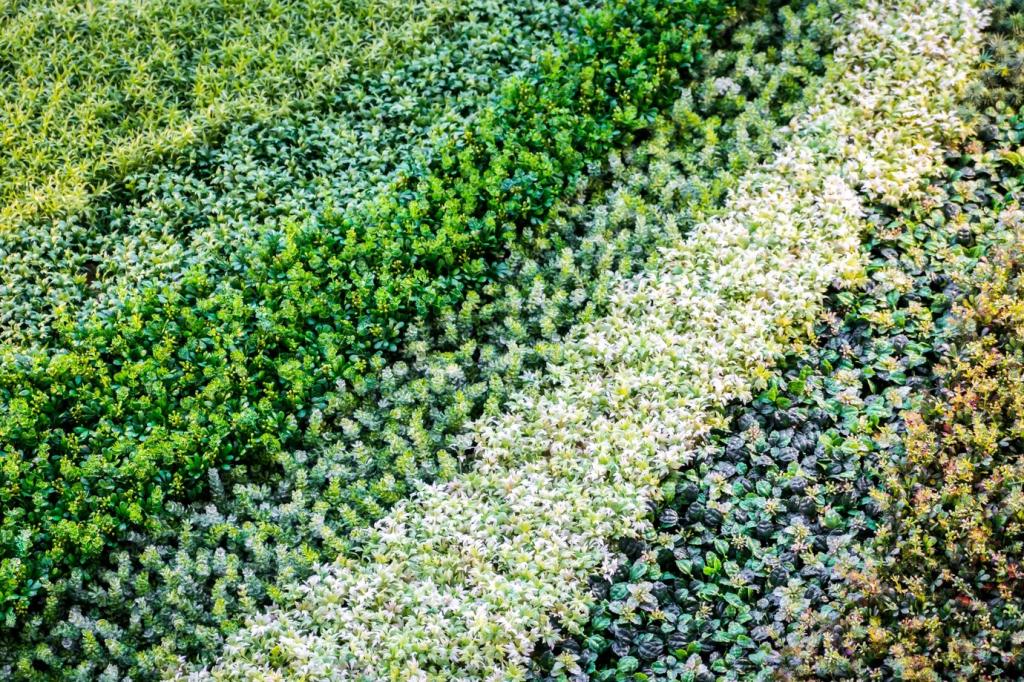
A resilient landscape mixes trees, shrubs, perennials, and groundcovers. Diversity buffers against pests, extreme weather, and disease, while staggered blooms feed pollinators from early spring through late fall.
Right Plant, Right Place
Match plant needs to site conditions—sun, soil texture, drainage, and wind. Select deep-rooted species for slopes, salt-tolerant plants near streets, and shade lovers under canopies to reduce stress and inputs.
Harvest the Sky
Install rain barrels or cisterns, direct downspouts into rain gardens, and contour swales to slow, spread, and sink water. These practices recharge soil moisture and reduce pressure on storm drains.
Use drip lines, pressure-compensating emitters, and soil moisture sensors tied to smart controllers. Water deeply but infrequently, adjusting schedules with seasonal evapotranspiration data to prevent waste and foster stronger roots.
Favor recycled aggregates, reclaimed brick, local stone, and FSC-certified wood. Preferring regional materials lowers transportation emissions while lending your landscape a sense of place and lasting authenticity.
Replace solid paving with permeable pavers, gravel, or reinforced turf. Permeable surfaces reduce runoff, filter pollutants, and cool hardscape areas, making patios and pathways more comfortable after summer heat.
Give old materials a second life—salvaged beams as benches, broken concrete as urbanite stepping stones. These choices cut costs, preserve character, and keep valuable resources out of landfills.
Living Soil, Lasting Beauty
Feed the Soil Food Web
Compost teas, leaf mold, and diverse mulches nourish fungi and bacteria that unlock nutrients. Healthy biology reduces fertilizer needs and fosters plants that resist stress far better.
Apply two to three inches of mulch, keeping it off trunks and crowns. Use arborist chips in planting beds and fine mulch around edibles to retain moisture and suppress weeds effectively.
Avoid frequent tilling and heavy equipment that crush soil pores. Topdress with compost instead, and plant cover crops where appropriate to protect structure and build organic matter naturally.
Combine canopy trees, understory shrubs, herbaceous perennials, and groundcovers. Add logs, leaf litter, and water dishes to mimic natural structure and offer shelter for beneficial insects, birds, and amphibians.
Design for Biodiversity and Resilience
Plant sequences of nectar-rich blooms and night-scented flowers for moths. Include host plants for caterpillars and leave seed heads for birds through winter, fueling life cycles beyond summer.
Community, Culture, and Continuing Care
Host seasonal garden walks, label plants with QR codes, and share before-and-after photos. Invite neighbors to subscribe for tips, ask questions, and vote on upcoming experiments they want to see.
Community, Culture, and Continuing Care
Track water savings, compost produced, and pollinator sightings using simple logs or citizen-science apps. Share milestones with our community newsletter and comment with your data to inspire others.