
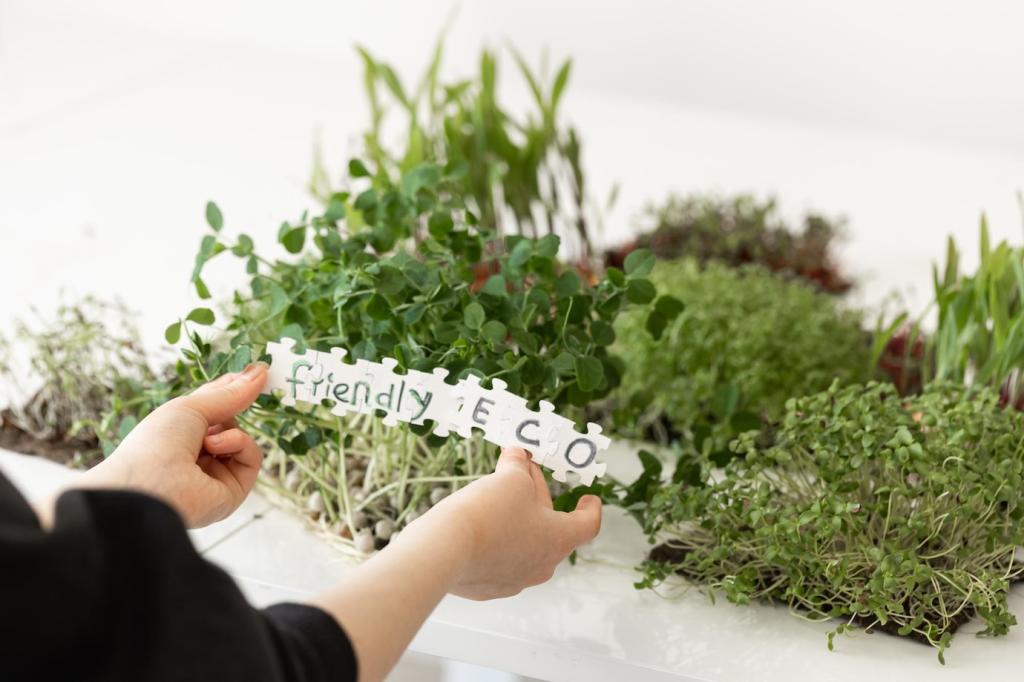
Native Plant Selection for Green Spaces

Today’s chosen theme: Native Plant Selection for Green Spaces. Explore how regionally adapted flora can transform parks, yards, rooftops, and community courtyards into resilient, beautiful habitats that support wildlife, conserve water, and tell a place-based story worth sharing.

Ecoregions and Hardiness Matter
Start by identifying your ecoregion and hardiness zone to narrow choices to truly compatible species. Plants adapted to local temperature swings, day length, and seasonal rainfall patterns will establish quickly and require less intervention over time.
Reading Sun, Shade, and Wind
Map daily sun paths, track afternoon heat, and note wind corridors between buildings or trees. Native sun-lovers struggle in deep shade, while woodland species scorch in full exposure. Microclimate observations guide correct placement and reduce maintenance headaches dramatically.
Soils, Drainage, and Hydrology
Test your soil texture and pH, observe drainage after storms, and locate wet spots. Some natives love seasonal saturation, others demand sharp drainage. Align plant choices with actual on-site conditions to prevent root rot and ensure healthy, sustained growth.

Designing for Biodiversity and Pollinators

Combine canopy, understory, shrub, and groundcover layers to mimic natural patterns. Tall native trees provide structure, shrubs add nesting cover, perennials and grasses weave texture. Layered designs create habitat complexity and reduce weed pressure through living competition.

Designing for Biodiversity and Pollinators

Plan a continuous bloom calendar from early spring to late fall. Early ephemerals feed awakening pollinators, midsummer flowers sustain busy bees, and late asters and goldenrods fuel migrations. Succession planting ensures nectar and pollen when wildlife needs them most.

On hot, exposed sites, choose drought-adapted grasses and perennials that store resources and thrive with minimal irrigation. Once established, these plants ride heatwaves gracefully, saving water and maintenance while supporting resilient ecological function during unpredictable summers.

Water-Wise Choices and Living Soils

Use leaf mulch or composted wood chips to protect soil, retain moisture, and feed microbes. Mycorrhizal associations help natives access nutrients and water. Avoid frequent disturbance that breaks fungal networks, and watch plants respond with deeper roots and vigor.

Water-Wise Choices and Living Soils

Sourcing Responsibly and Choosing the Right Forms

Local Nurseries and Ethical Procurement

Prioritize nurseries that propagate local ecotypes or regionally appropriate seed. Ask about pesticide practices, especially neonicotinoids harmful to pollinators. Responsible sourcing ensures your green space supports wildlife safely from day one through many seasons.

Establishment and Long-Term Care

During establishment, water deeply but infrequently to encourage roots to explore. Mulch bare soil and hand-weed early invaders. By late season, dense native cover reduces weed pressure, saving time and protecting soil health naturally and sustainably.

A Courtyard That Came Alive

At a city apartment complex, a paved corner became a native pocket garden with coneflowers, switchgrass, and serviceberry. By summer’s end, goldfinches arrived, neighbors chatted outside, and watering needs dropped dramatically. Small, well-chosen natives sparked community pride beautifully.

Citizen Science and Simple Monitoring

Track bloom timing, pollinator visits, and bird sightings to understand what works. Free apps make identification easy. Your notes help refine plant lists and contribute to regional data that strengthens future native plant selection decisions across communities widely.

Join the Conversation and Subscribe

Tell us which native species you love, share photos of your green space, and subscribe for seasonal plant lists and local workshops. Your questions and stories guide upcoming posts and help newcomers choose the right natives with confidence and joy.
Mrshohan
Privacy Overview

This website uses cookies so that we can provide you with the best user experience possible. Cookie information is stored in your browser and performs functions such as recognising you when you return to our website and helping our team to understand which sections of the website you find most interesting and useful.